

A royal visitor from Italy
In 1895 an Italian yacht arrived in port with the Duke of Genoa on board. The Duke and his retinue attended Mass given by Fr McCarthy at the church.
Dartmouth, Devon
Faith and Community by the River Dart
St John the Baptist stands in Dartmouth, near the mouth of the River Dart, where the river meets the sea. Whether you live in the town or are visiting, you are warmly welcome to join us for Mass.
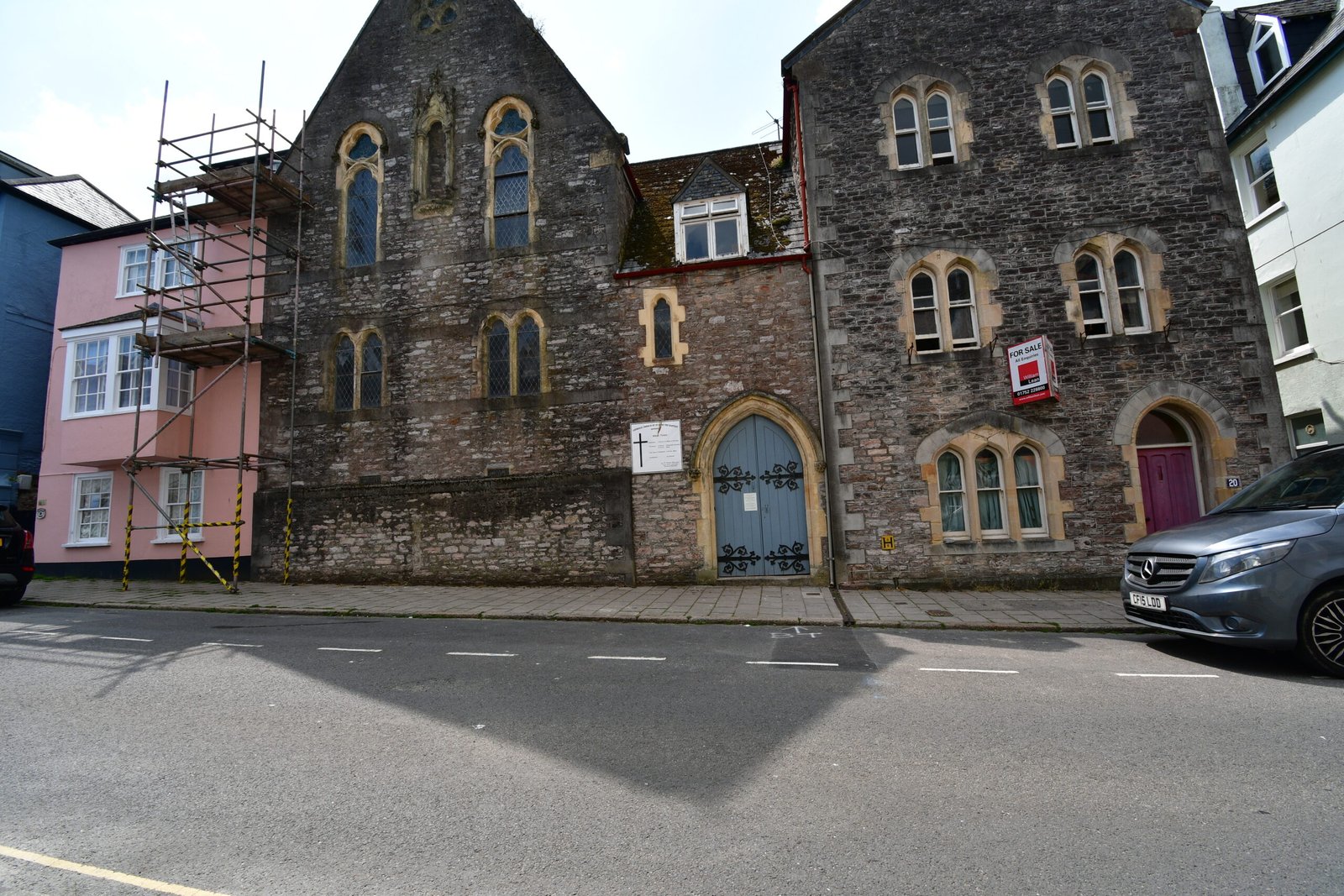
Dartmouth has long been a town shaped by the river and the sea. Our church on Newcomen Road is a place of prayer for local Catholics, for families, and for the many visitors who come to Dartmouth through the year.
St John the Baptist is one of the two churches of our parish. It is served together with Our Lady, Star of the Sea in Brixham by our Parish Priest, Fr Sunny Paul, MSFS.
A Parish Community by the River Dart
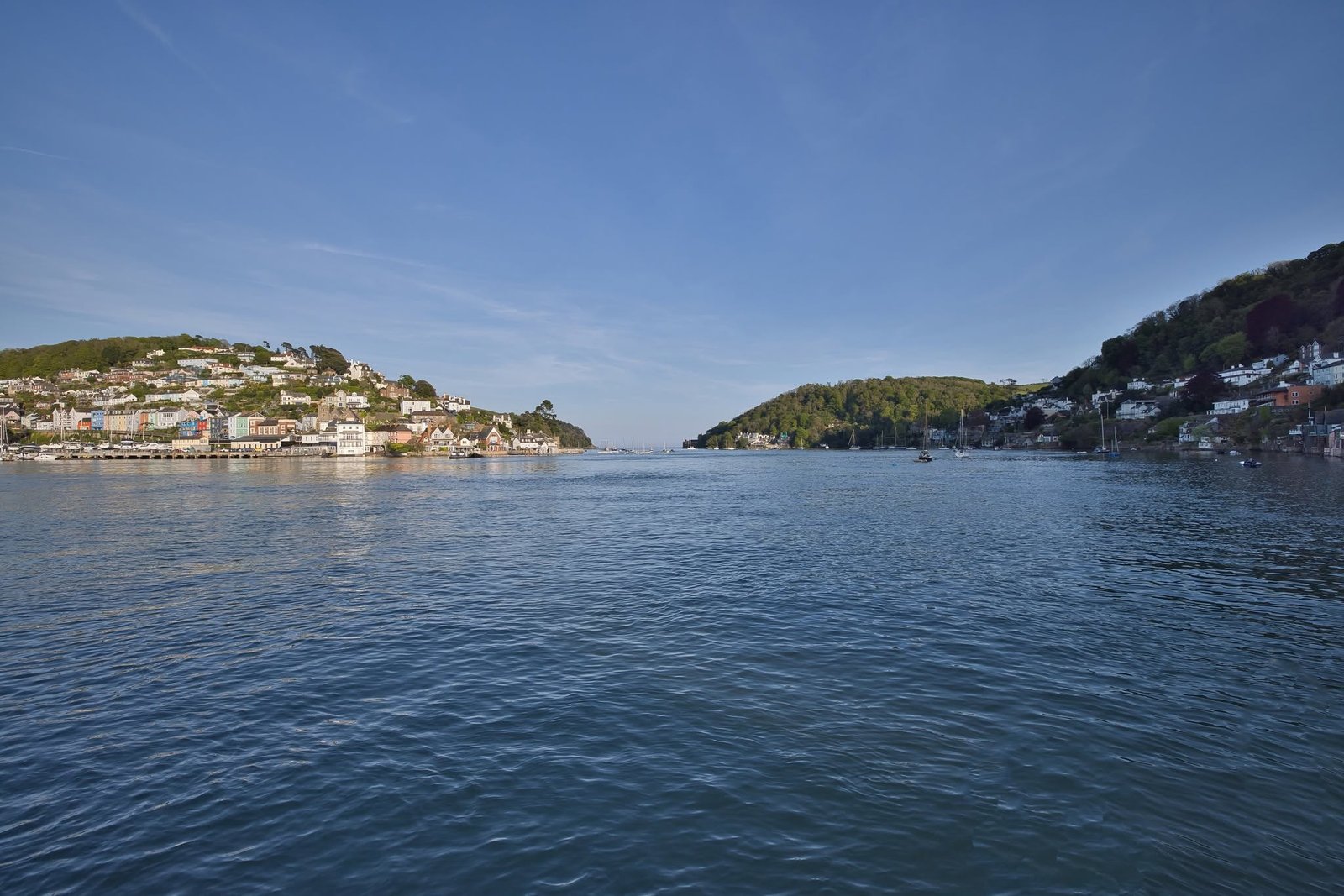
St John the Baptist is situated in Dartmouth, near the mouth of the River Dart where it meets the sea. For centuries the town’s life has been bound up with the river and the sea, and so has the story of its Catholic community.
Before the Reformation there were three churches in Dartmouth, all following the Catholic faith: St Petrox, dedicated to the Celtic monk whose followers are thought to have had a monastic cell at the mouth of the river in the 6th century; St Clement’s at Townstal, rebuilt in about 1200; and St Saviour’s, consecrated in 1372 and first called Holy Trinity. After the Reformation all three became Church of England churches, and the Catholic faith survived quietly through families such as the Cary family of Torre Abbey.
In about 1780 Rowland Conyers of Plymouth, a wine merchant moved by the poverty he saw in Plymouth and Dartmouth, set up a trust to help seafarers in the South West, including funds to keep a priest in Dartmouth. Many local merchants traded with Portugal, Italy and Newfoundland, death at sea was common, and seafarers sought a blessing before their voyages.
In March 1782 Bishop Charles Walmesley sent Rev Charles Timings to found a small Catholic mission in Lower Street, where Mass was held in a small hired room. Fr Timings reported about 20 Catholics in Dartmouth at the time, and served the mission for 19 years. French priests who had fled the Revolution later helped, among them Abbé Pierre Charles Le Verrier, who settled in Dartmouth. As the Newfoundland trade declined, the Conyers funds were moved to a new mission at Weymouth, and the Dartmouth mission closed in 1821.
In 1858 Lord Henry Francis Kerr, Rector of Dittisham since 1827, who had become a Catholic in 1852, wrote to Bishop William Vaughan of Plymouth promising £1,000 to re-establish a Catholic mission in Dartmouth. From 1860 a room was rented in Atkin’s Lane (now Chapel Lane), where Mass was offered from time to time.
In 1864 Bishop Vaughan bought land off Higher Street, including the early 18th-century house that is now 21 Newcomen Road, for £250. At the same time the town was building the new Newcomen Road, designed by the engineer William Bell, and many old houses in Higher Street were cleared. In 1866 Fr Jean Baptiste Laborie Rey was appointed priest, and a temporary chapel was opened while the church was planned.
The church was designed by Joseph Aloysius Hansom, architect of Plymouth Cathedral and inventor of the Hansom cab. It was built in 1867 and opened in 1868, probably making use of the shell of almshouses built around 1630. In March 1869 Bishop William Vaughan solemnly blessed the church, dedicated it to St John the Baptist and consecrated it. A Catholic school was built the same year. In 1873 the Marquis of Bute visited and gave £350 to add a sanctuary to the nave, which was completed in 1876.
Fr Rey served the church until his death in 1884; a small plaque in his memory is beside the altar. His successors cared for a large area of the South Hams, travelling on horseback, by carriage or on foot. Through two world wars, slum clearance, the growth of the Royal Naval College and the changing fortunes of the port, St John’s has remained a place of prayer at the heart of the old town. Since 2010, Fr Sunny Paul, based in Brixham, has celebrated Mass for Dartmouth parishioners twice each week as well as weddings and funerals.
Bishop Charles Walmesley sends Rev Charles Timings to found a Catholic mission in Lower Street.
With the Newfoundland trade in decline, the mission’s funds are moved to Weymouth and the Dartmouth mission closes.
Lord Henry Kerr promises £1,000 to re-establish a Catholic mission in the port of Dartmouth.
The house, garden and premises that are now 21 Newcomen Road are conveyed to Bishop William Vaughan for £250.
Fr Jean Baptiste Laborie Rey is appointed priest, and a temporary chapel is established.
St John the Baptist, designed by Joseph Aloysius Hansom, is built in 1867 and opened in 1868.
Bishop William Vaughan solemnly blesses the church, dedicates it to St John the Baptist and consecrates it. The Catholic school is built the same year.
A gift of £350 from the Marquis of Bute pays for a sanctuary to be added to the nave, completed in 1876.
With the support of parishioners, an altar of fine Malplaquet stone (Belgian marble) is installed, together with statues of saints.
The lease of the church premises on Newcomen Road is renewed for a term of 500 years from Michaelmas 1912.
Fr Andrew O’Keefe oversees the complete replacement of the church floor.
A new Catholic primary school, St John the Baptist, opens next to the new Milton Lane Community College.
Fr Sunny Paul, MSFS, based in Brixham, celebrates Mass for Dartmouth twice each week.
Space for the parish to add further milestones, anniversaries and celebrations. Please send details to the parish office.
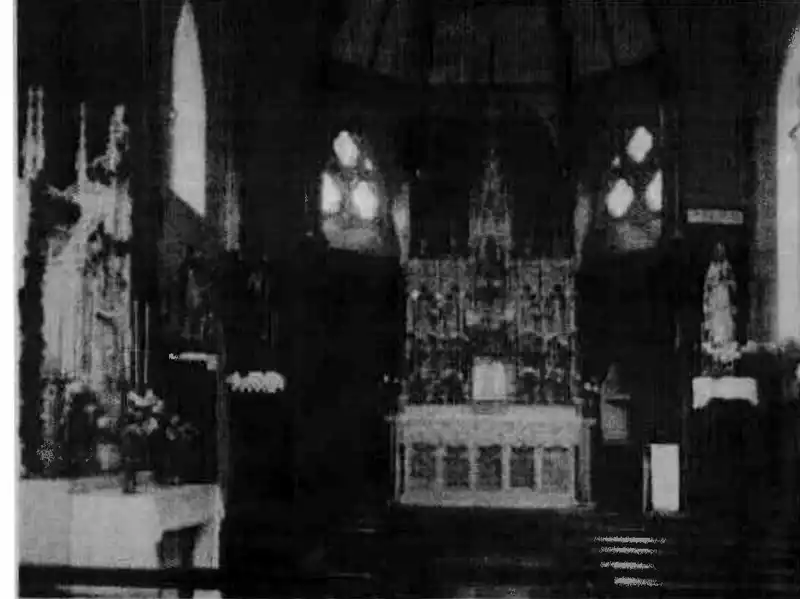
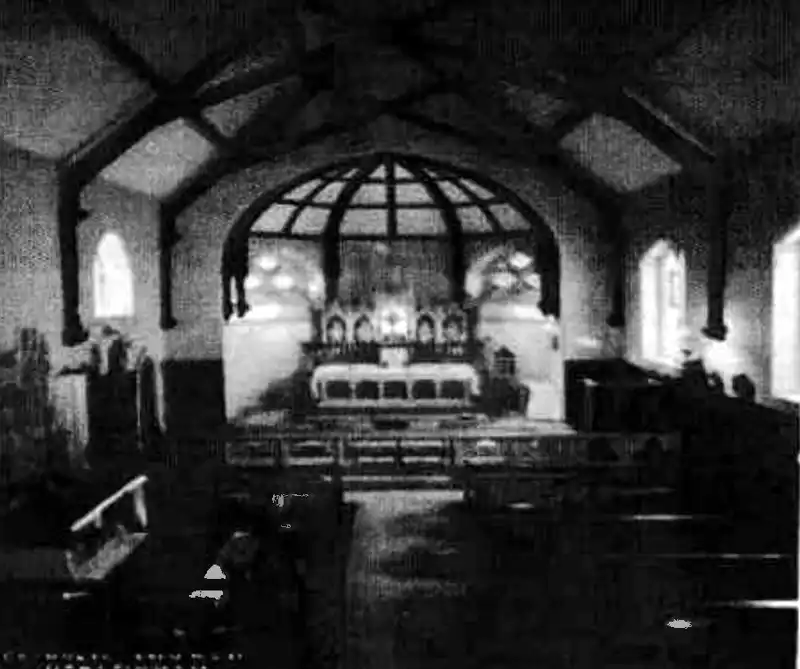
The Saturday evening vigil Mass at St John’s brings the Dartmouth community together each weekend, and a weekday Mass is celebrated on Thursday mornings.
Also in our parish: Brixham
Sunday Mass at 10.00am, with Mass on Tuesday, Wednesday, Friday and Saturday mornings.
43 New Road, Brixham TQ5 8NB